Search Isn't Disappearing, but Your Clicks Are
SEO vs GEO key metrics and outlook, 2026–2030. Updated November 2026 with research, analyst and reference sources only.
By J. Pannu · · 4 min read
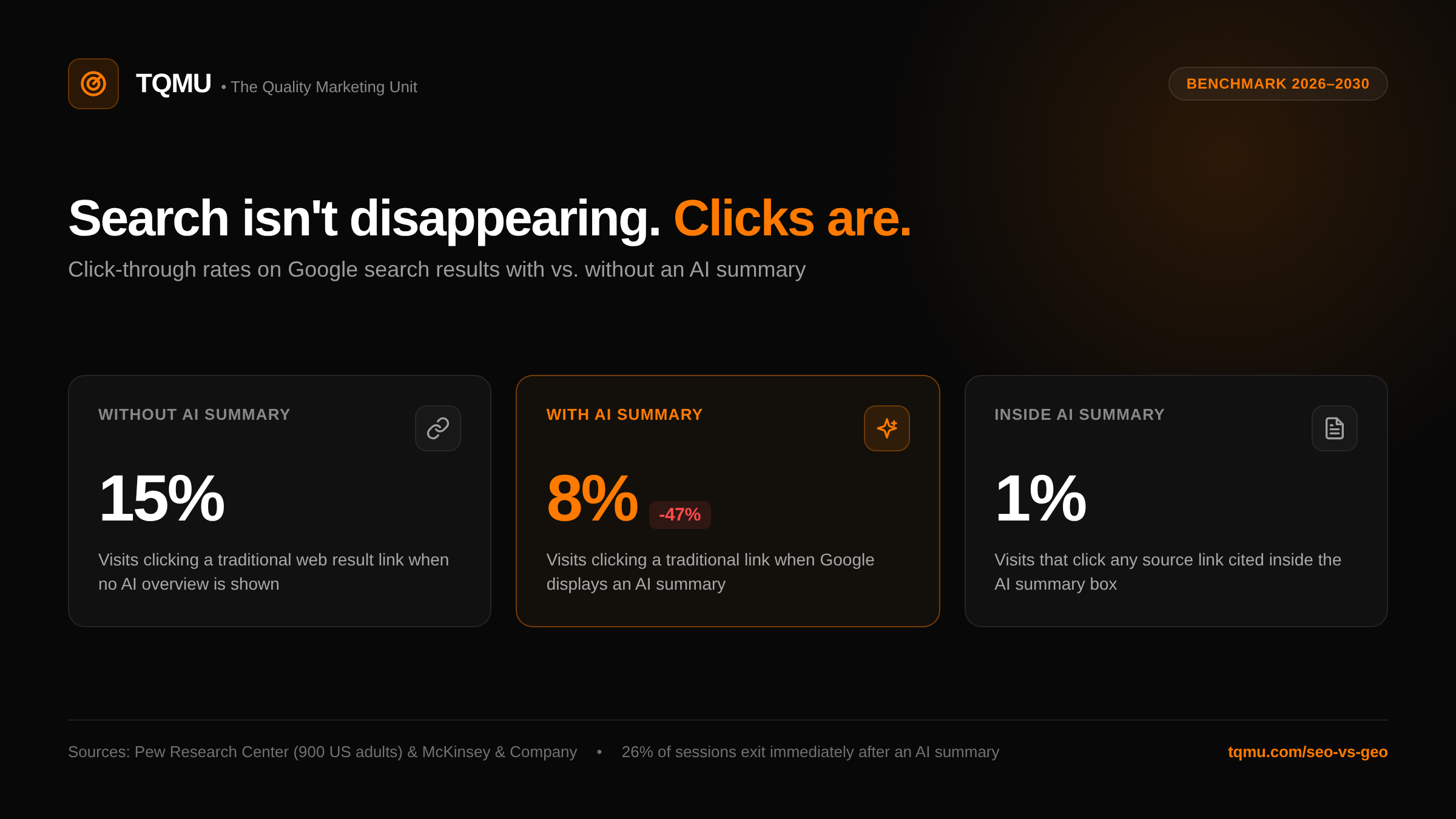
| Metric | Latest figure (Nov 2026) | Source | End of 2027 | End of 2028 | 2030 |
|---|---|---|---|---|---|
| Google share of global search | 91.05% (Oct 2026); 89.94% (Sep 2026) | Statcounter Global Stats | 88–90%* | 86–89%* | 82–87%* |
| Google searches showing an AI summary | ~50% | McKinsey & Company | ~62%* | 75%+ | ~85%* |
| Blended click rate per Google search (TQMU model) | ~11.5% | Pew Research Center + McKinsey & Company | ~10.7%* | ~9.8%* | ~9.1%* |
| Consumers using AI-powered search | ~50%; 44% call it their primary source vs 31% for traditional search | McKinsey & Company | 58–65%* | 65–75%* | 75–85%* |
| US revenue flowing through AI-powered search | Not published | McKinsey & Company | n/p | $750B | n/p |
| Brands systematically tracking AI search performance | 16% | McKinsey & Company | 30–35%* | 45–55%* | 70–80%* |
| GEO market size (global) | $0.39B (2025); ~$0.55B (2026)† | MarketsandMarkets | ~$0.78B† | ~$1.09B† | ~$2.17B† |
* TQMU estimate: not published by the cited source; assumes a gradual adoption curve. † Calculated from the cited source's 41% CAGR (published endpoint: $4.25B by 2032). Unmarked projections are published by the source. n/p = not published.
Blended click rate = AI-summary share x 8% + remaining share x 15% (Pew click rates held constant, McKinsey summary share). Pew measured March 2025, when AI summaries appeared on roughly 1 in 5 searches, so this is illustrative. Sources are limited to research firms, analysts, academic and reference publishers; no SEO/GEO vendors.
Evidence snapshot
| 8% vs 15% | Visits clicking a traditional result link with vs. without a Google AI summary (900 US adults, Mar 2025) | Pew Research Center |
| 1% | Visits that clicked a source cited inside the AI summary itself | Pew Research Center |
| 26% vs 16% | Visits that ended the browsing session after a page with vs. without an AI summary | Pew Research Center |
| 20–50% | Share of traditional search traffic McKinsey estimates is at risk as discovery moves into AI answers | McKinsey & Company |
| 5–10% | Share of the sources AI answers cite that are a brand's own website | McKinsey & Company |
| up to +40% | Visibility lift from GEO methods in generative-engine answers (up to 37% on Perplexity) | KDD 2024 / arXiv |
| -25% (forecast) | Gartner's 2024 forecast for traditional search volume by 2026. A forecast, not a measured outcome | Gartner |
| $0.37B | Meticulous Research value for GEO software alone in 2026. Market-size estimates vary widely by scope | Meticulous Research |
About the author
J. Pannu · Founder
Connect on LinkedInKeep reading
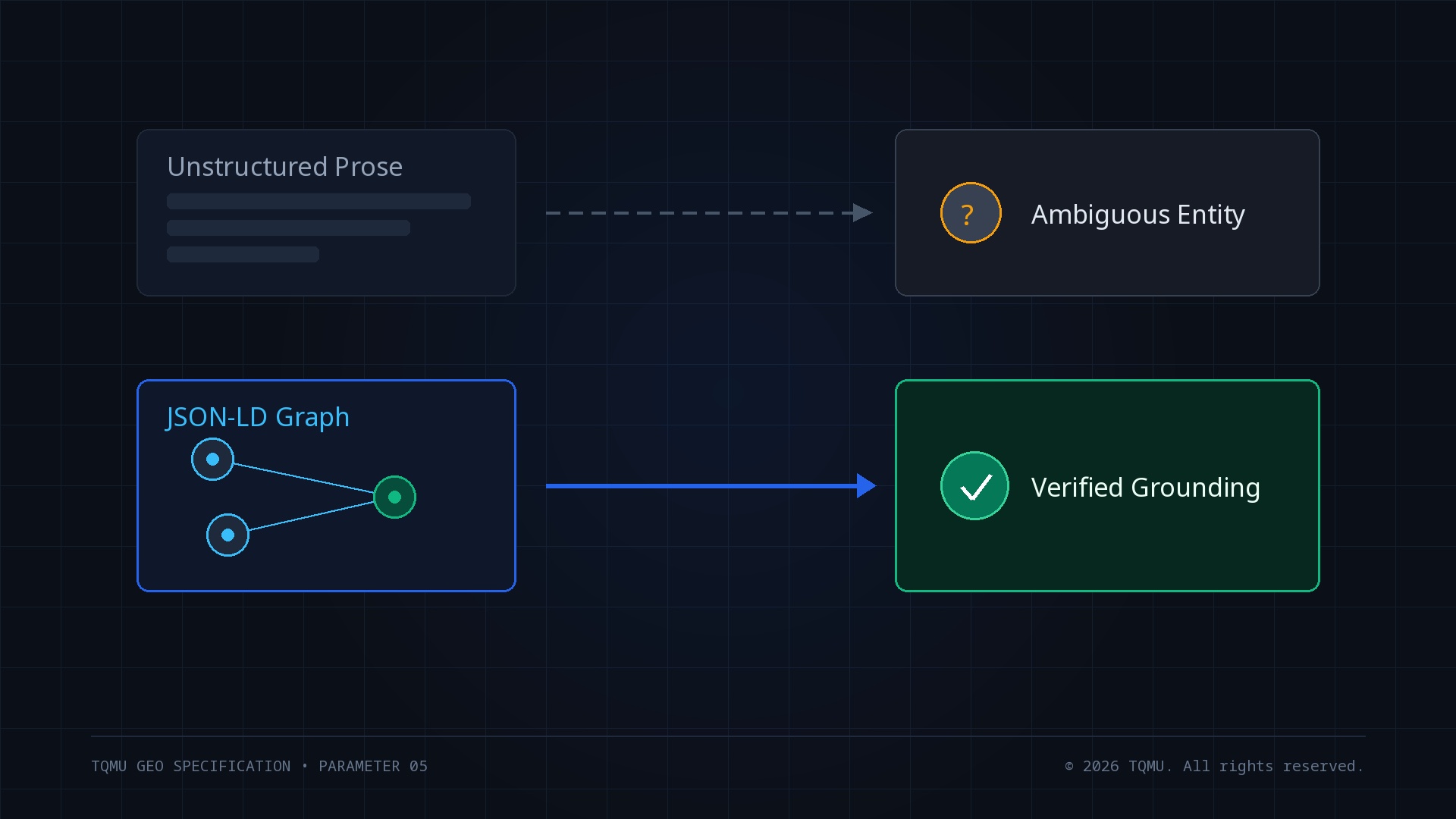
Schema.org JSON-LD Architecture: Building Machine-Readable Knowledge for Generative Search
A technical engineering guide to building disambiguated, machine-readable JSON-LD entity graphs for AI retrieval engines like ChatGPT, Perplexity, and Gemini.
Nov 14, 2026 · 12 min read
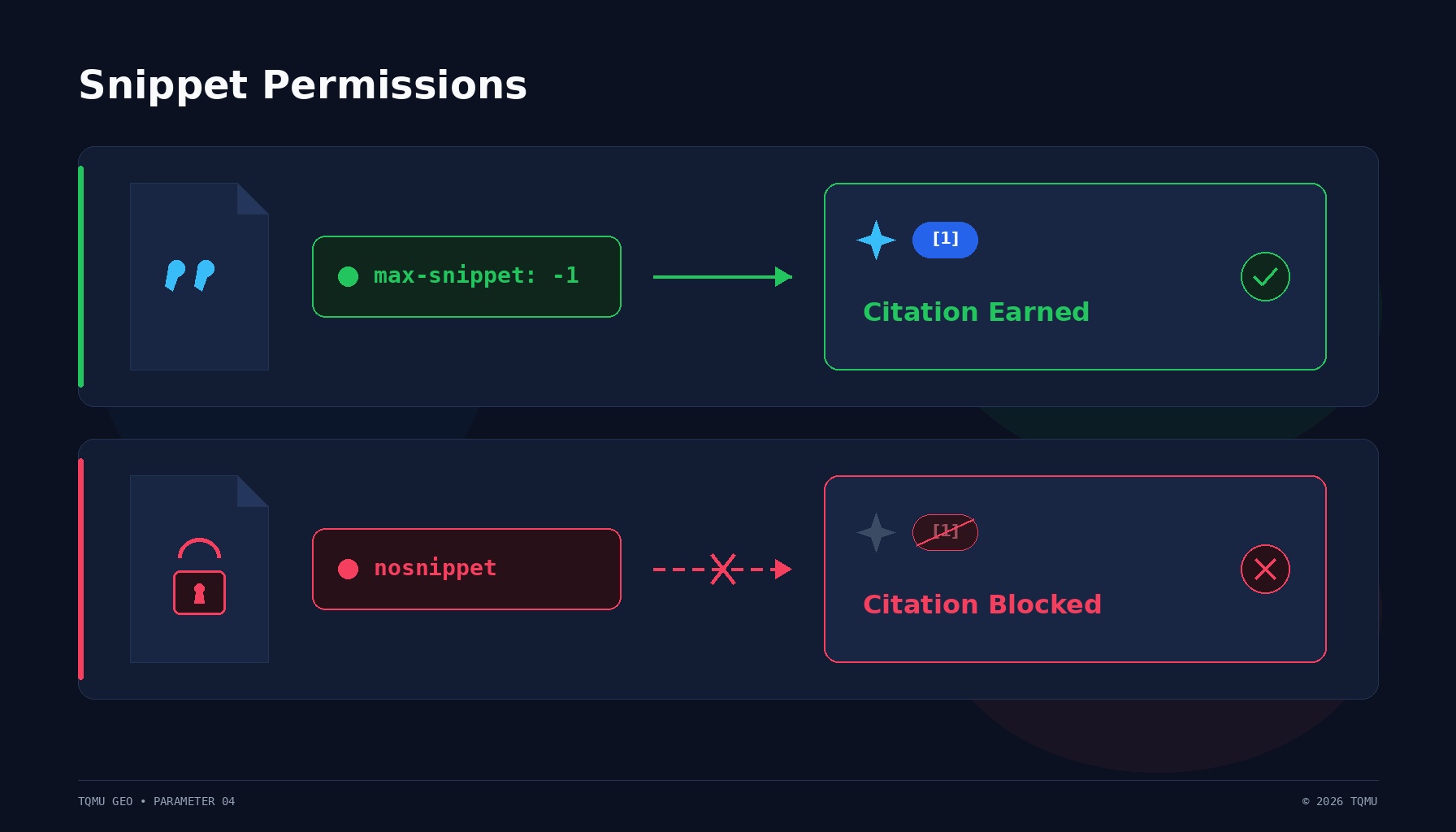
Snippet Permissions for Generative Engines: Managing nosnippet, max-snippet, and data-nosnippet
Restrictive snippet rules can stop AI search engines from quoting pages that are still indexed. How nosnippet, max-snippet and data-nosnippet work, how conflicts resolve, and how to audit them.
Nov 11, 2026 · 9 min read
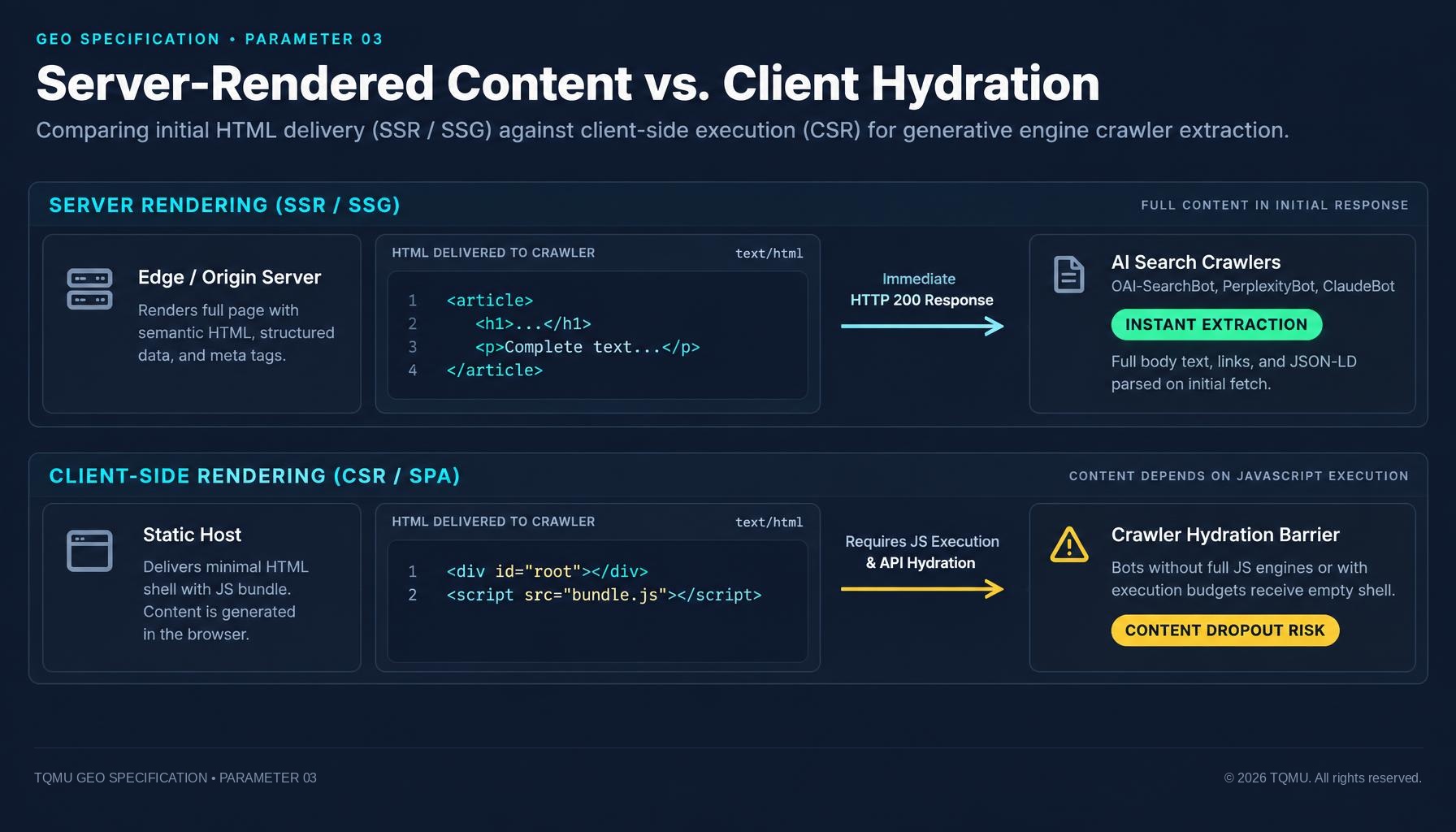
Server-Rendered Content vs. Client Hydration: Why AI Bots Can Miss JavaScript Sites
If your main content appears only after JavaScript runs, some crawlers may see an empty page shell. How SSR, static generation and hydration affect what search and AI crawlers can read, and how to test what your server sends.
Nov 11, 2026 · 10 min read